NEWS
News
-

Choosing plectra: materials and how to fit them
Guzheng is normally played with plectra. Common materials include horn, tortoiseshell su… Read more -
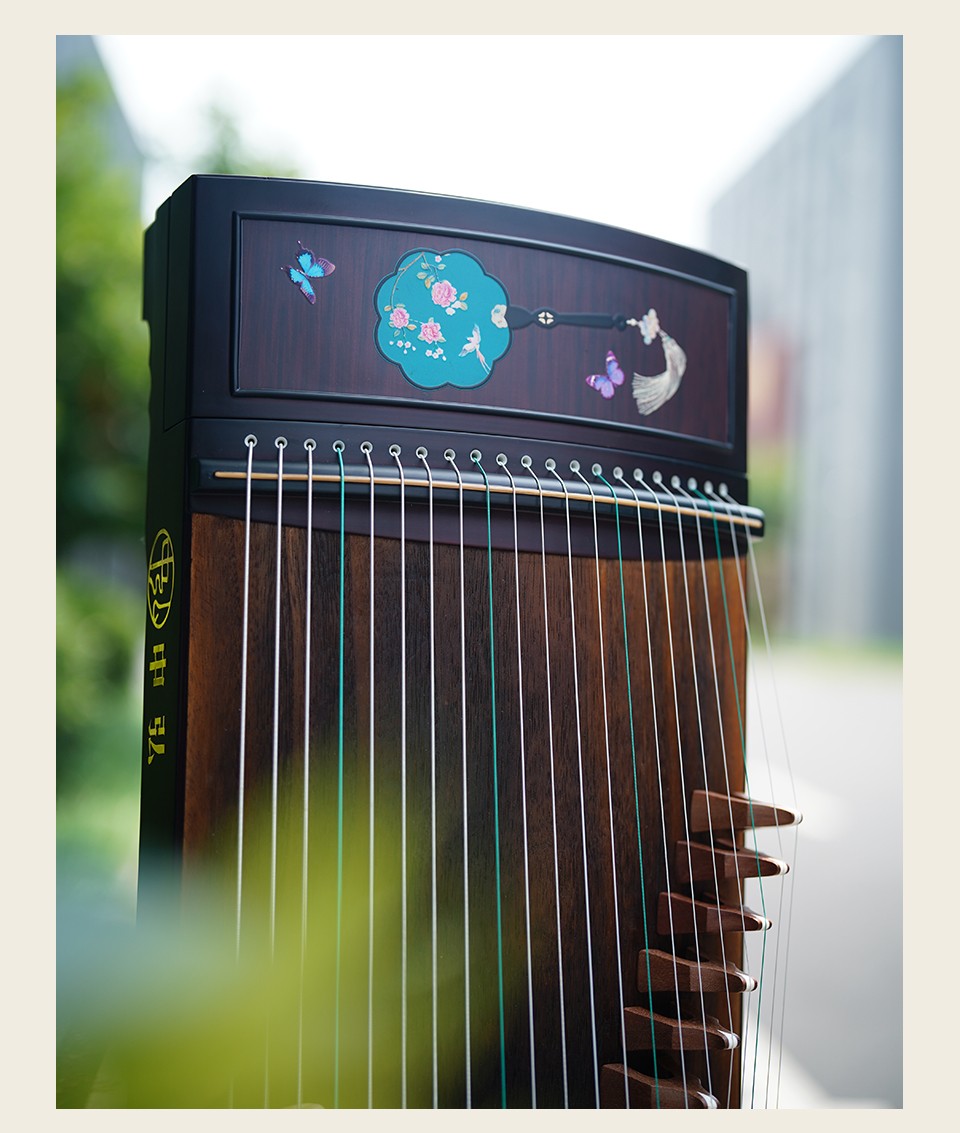
Moving and transporting a guzheng
The body is long and the soundboard thin, so the main risks are crushing and impact. For… Read more -
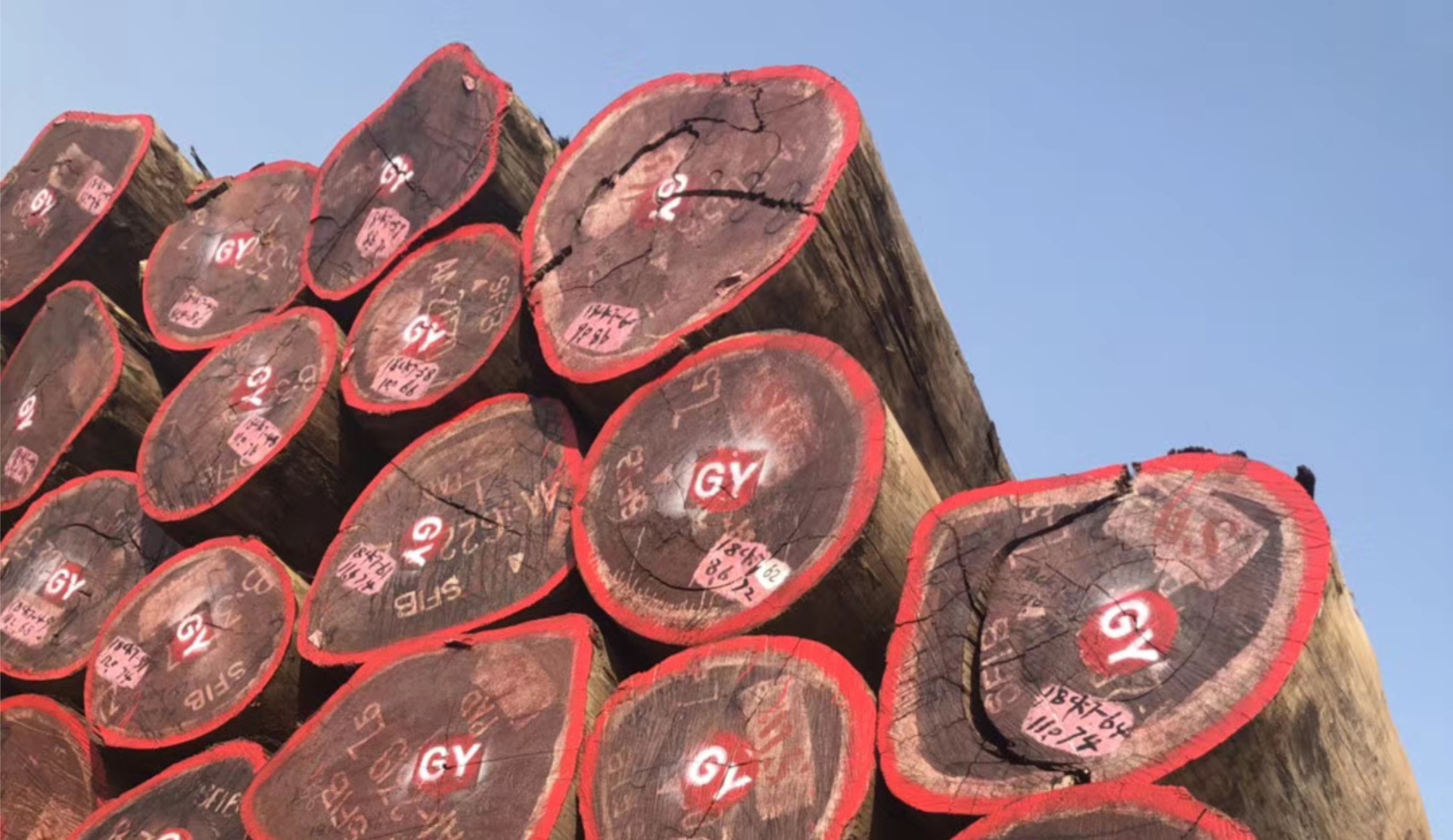
Tracing the Common Causes of a Muffled Tone
A muffled tone is usually connected to humidity, the state of the soundboard, and how th… Read more -
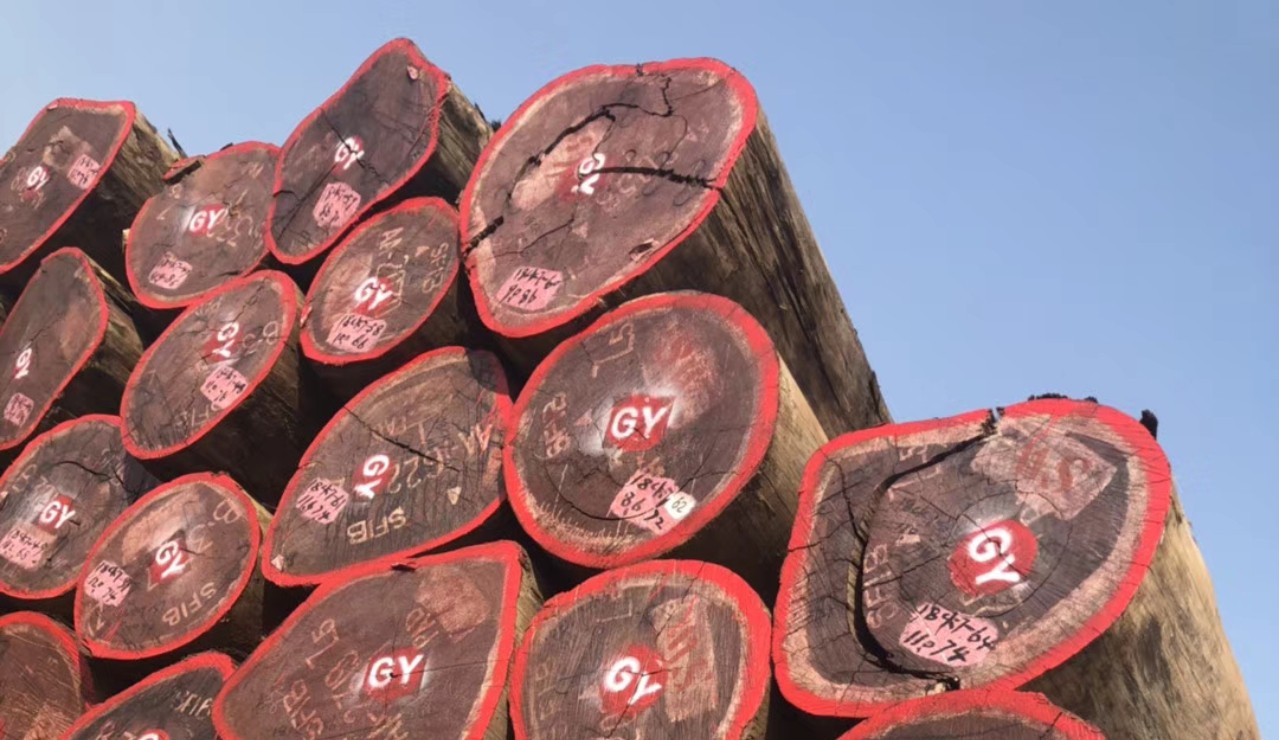
Storing and caring for a guzheng through humidity changes
A guzheng is largely wood and sensitive to humidity. Too dry and the soundboard may shri… Read more -
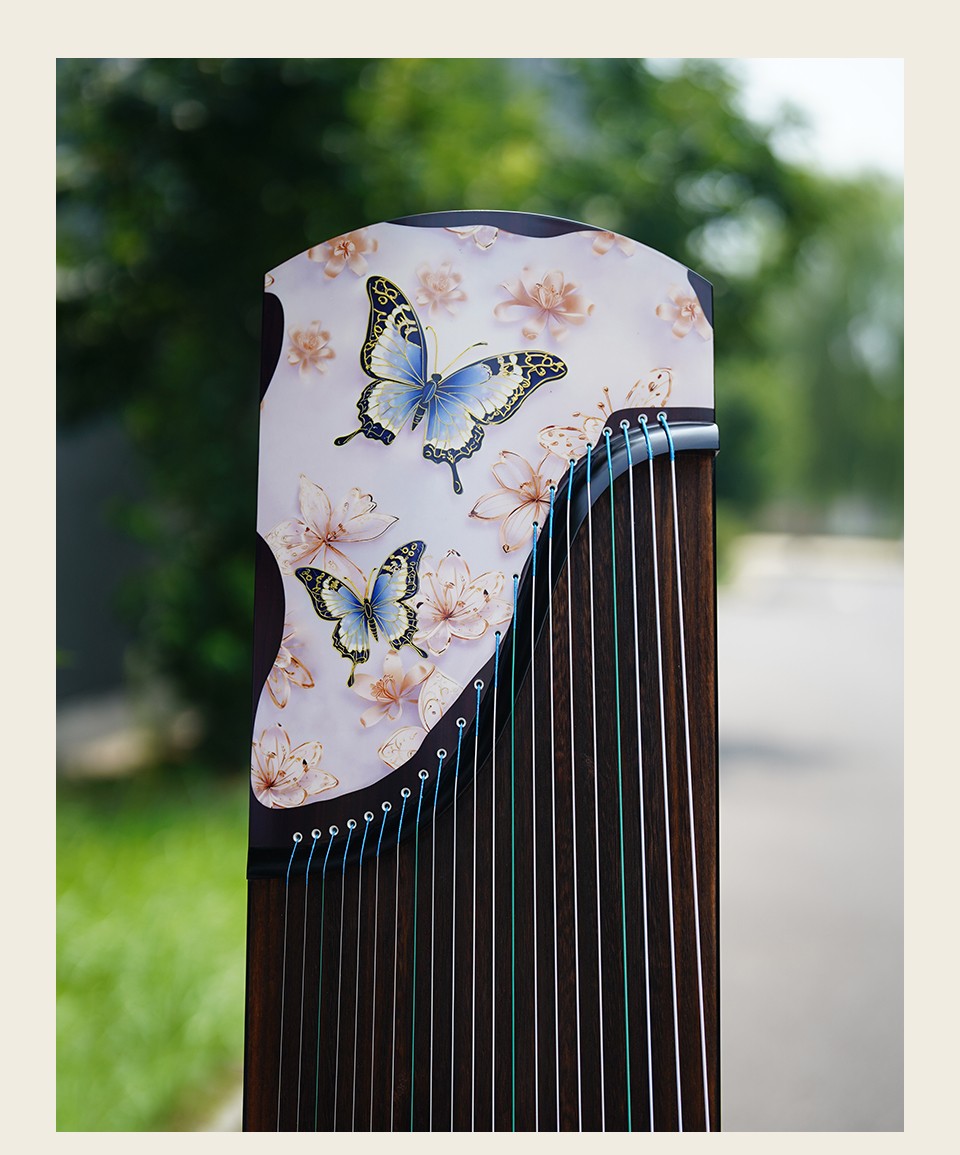
Caring for the Finish and Decorative Fittings
The finish and decorative fittings on the outside of the instrument are there to protect… Read more -
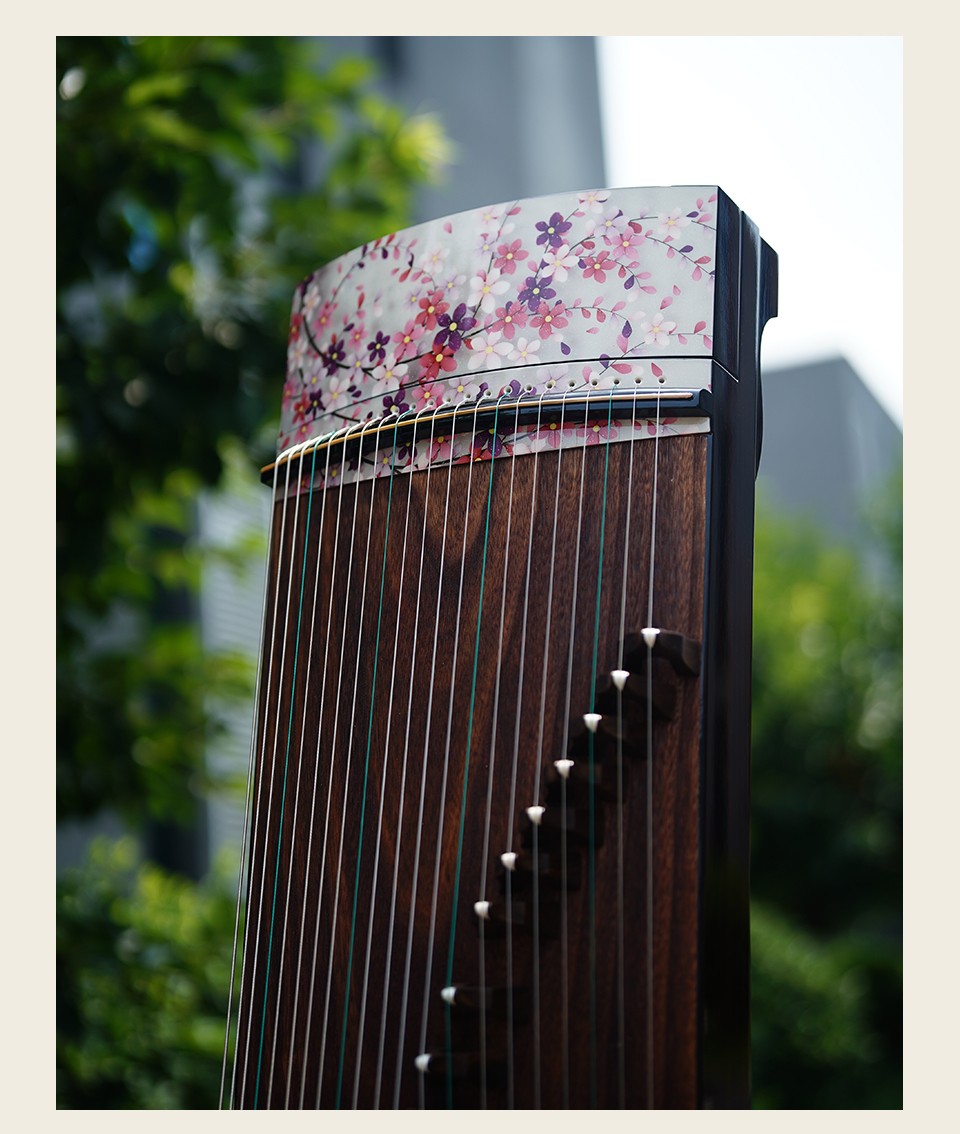
Tuning a guzheng: from ear to electronic tuner
Guzheng is tuned to a pentatonic scale, so tuning means fixing a reference pitch first a… Read more -
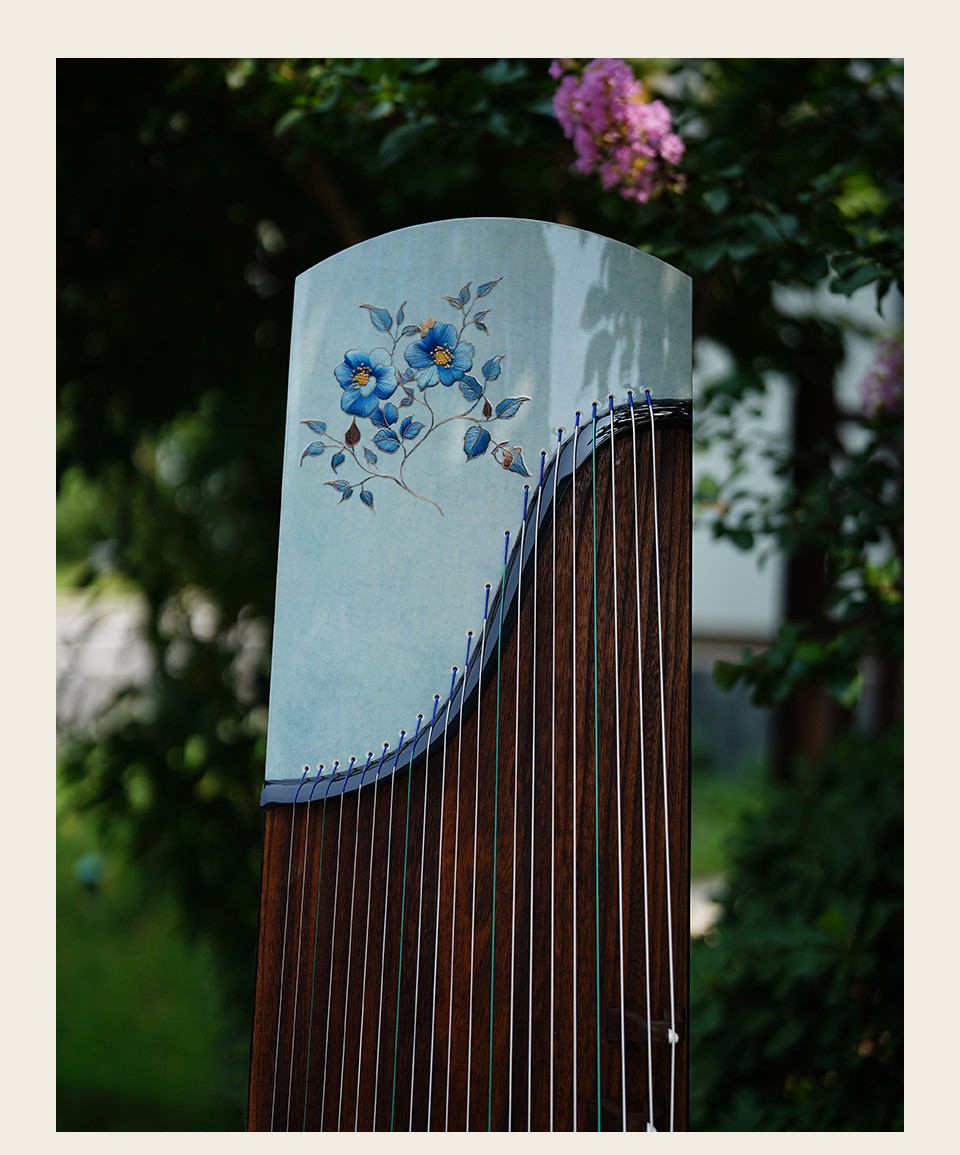
Settling In: Pitch Stability on a New Instrument and After a Restring
On a newly strung instrument, or after a full restring, string tension takes time to set… Read more -
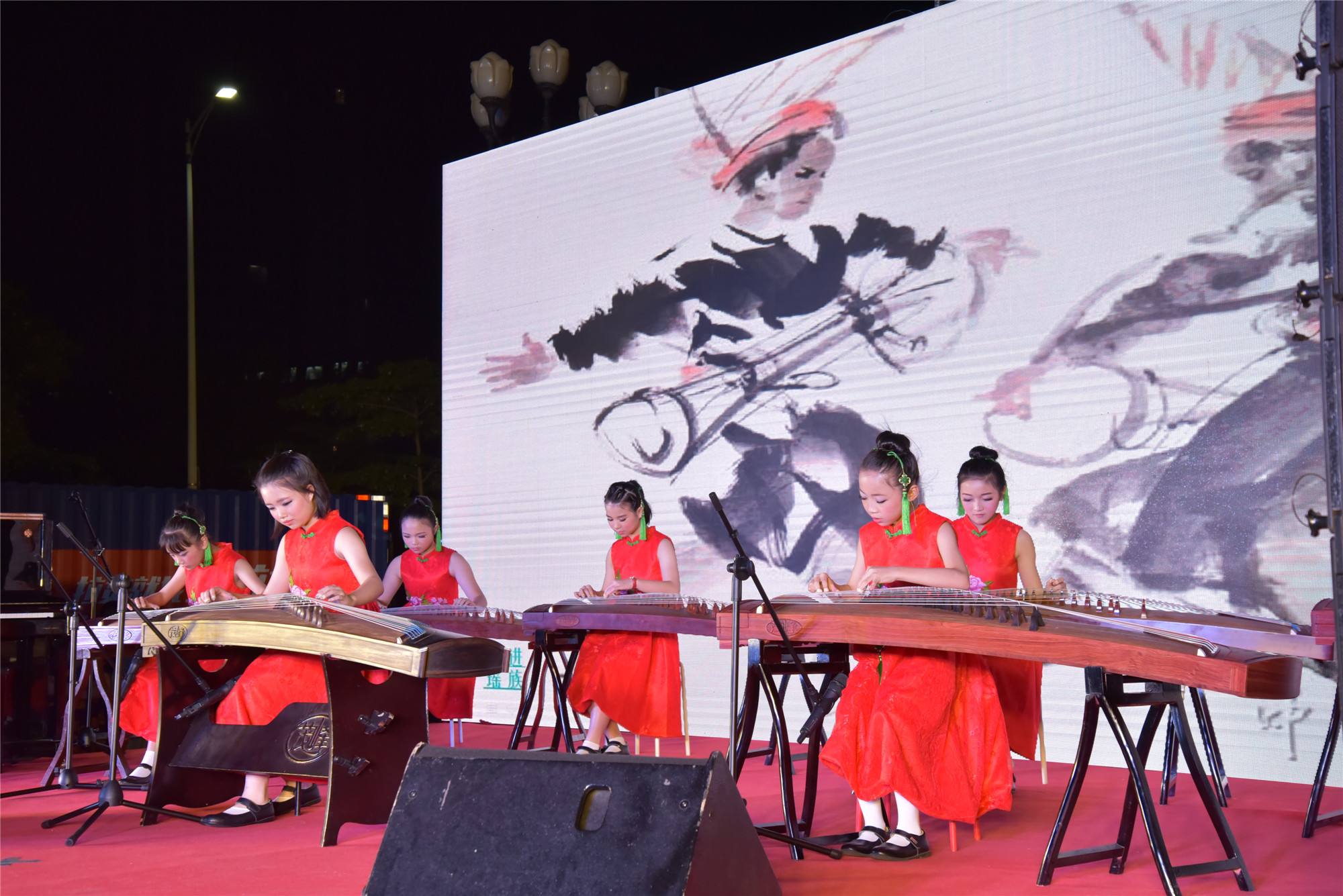
Guzheng in a Chinese ensemble: role and blend
In a Chinese orchestra the guzheng may carry melody, underpin harmony or add rhythmic co… Read more -
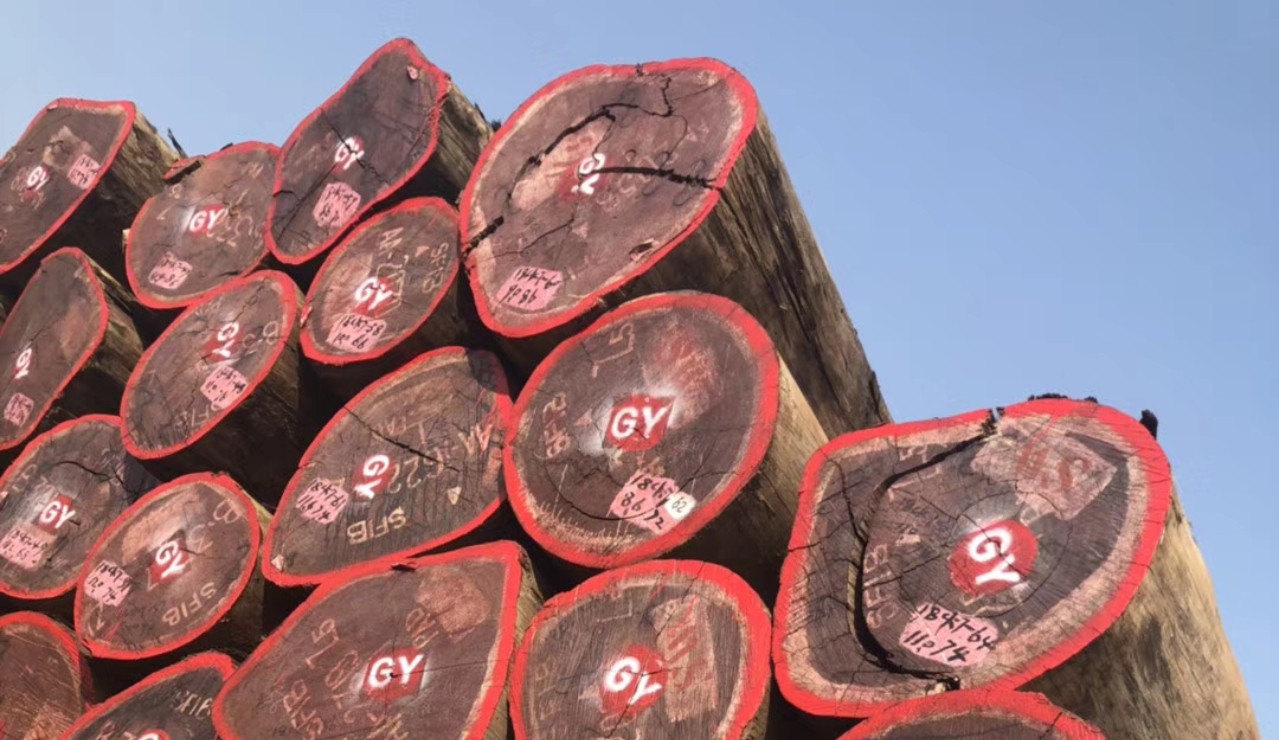
Guzheng materials: soundboard, frame, and old versus new timber
Soundboards are usually paulownia, chosen for its soft, even grain that transmits vibrat… Read more -
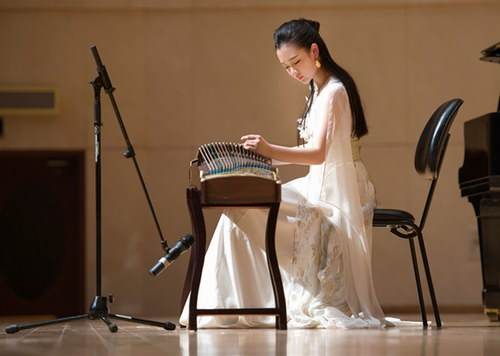
Hand shape and force: common mistakes in guzheng playing
Beginners often stiffen the wrist, push the string with the finger joint, or use the who… Read more